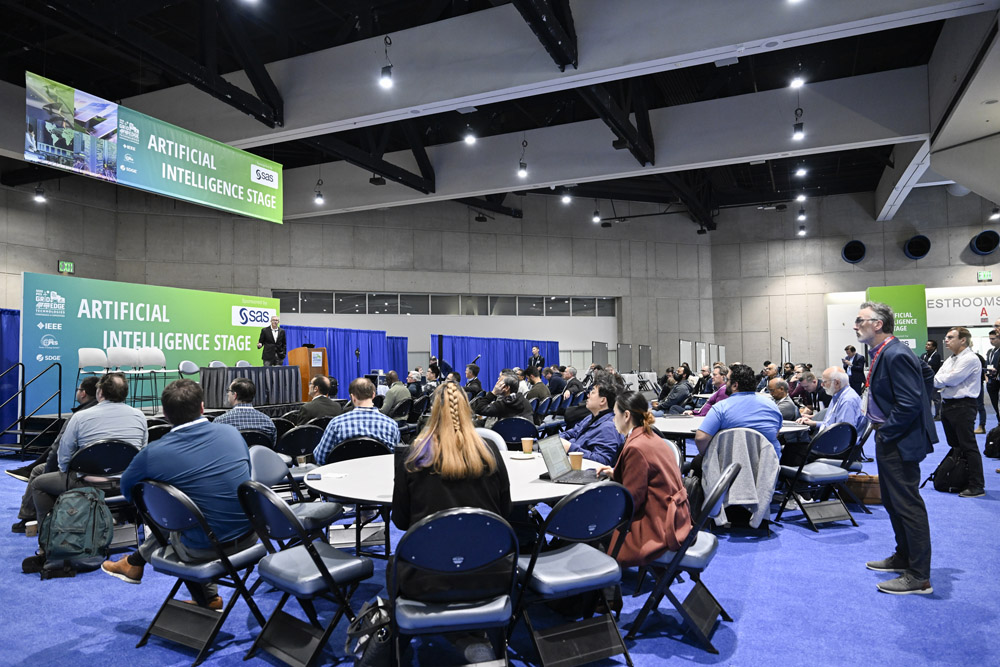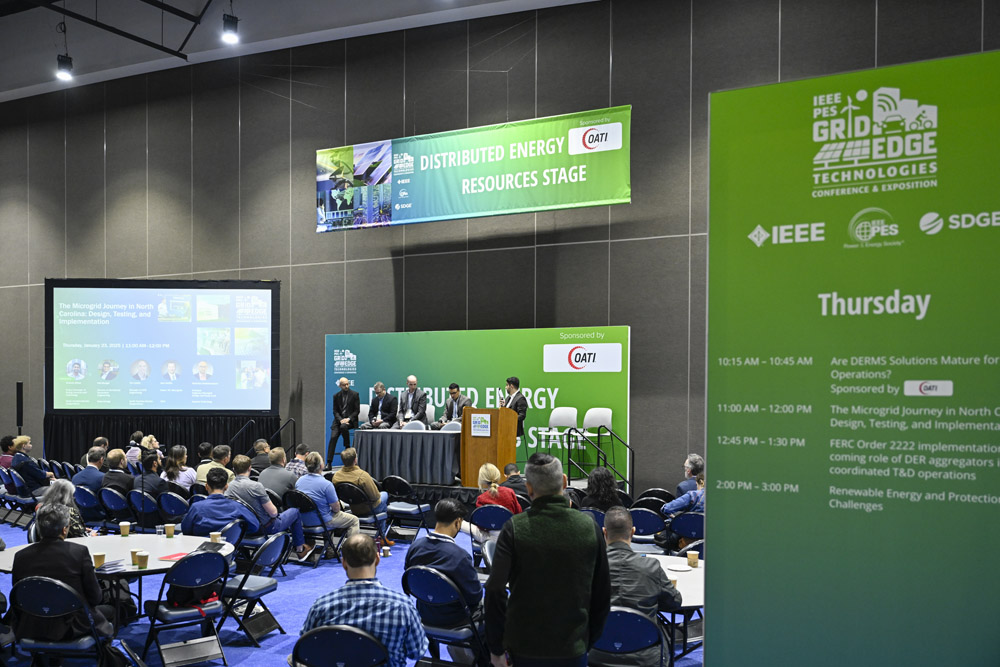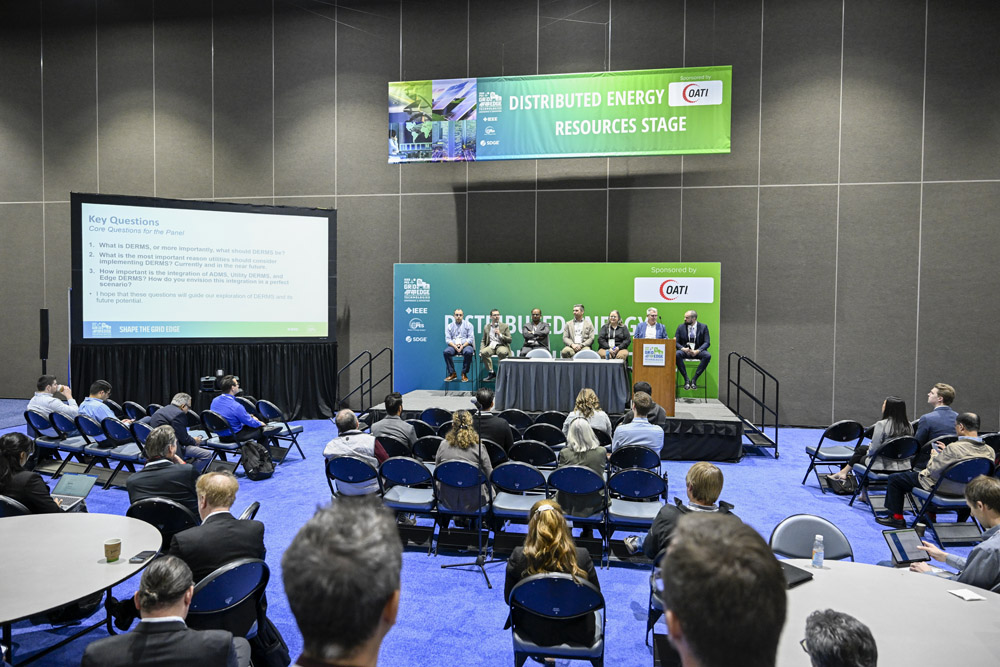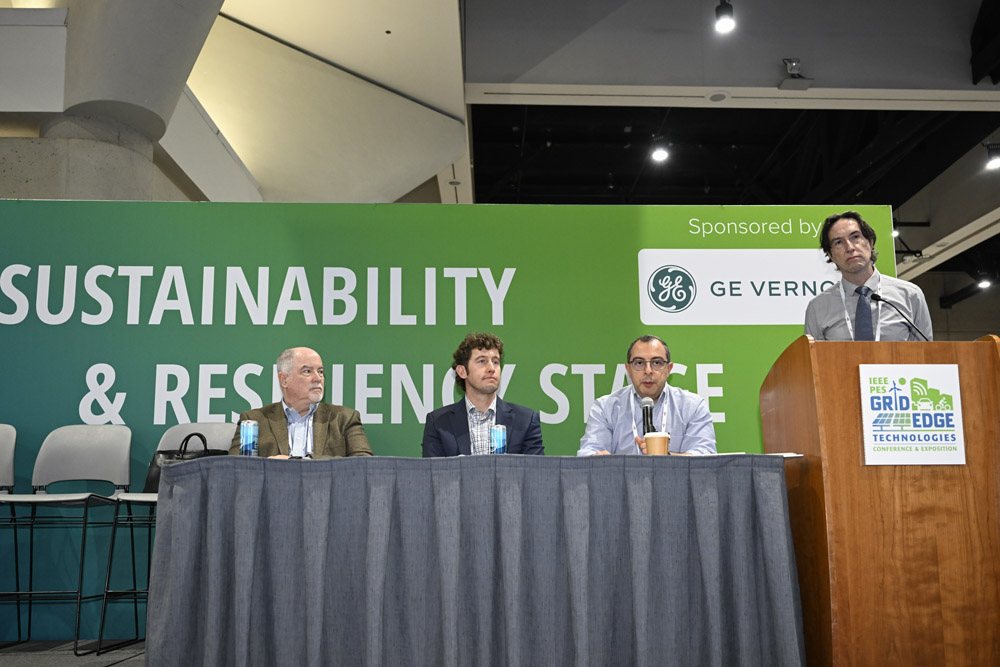
The IEEE PES Grid Edge Stages bring together utility leaders, technology providers, policymakers, researchers, and innovators for focused discussions on the most important issues transforming the electric power industry.
As distributed energy resources (DERs) continue to scale across the grid, utilities, regulators, technology providers, and customers are focused on turning deployment into measurable value. The DER Operation and Benefit Realization Stage explores how organizations are managing and optimizing DER portfolios, integrating flexible resources into grid operations, and unlocking economic, reliability, and sustainability benefits at scale.
Through expert presentations, case studies, and collaborative discussions, attendees will examine the operational strategies, market frameworks, and technology solutions that enable DERs to support grid modernization while delivering tangible outcomes for utilities and customers alike.
Key Topics:
Artificial intelligence (AI) is rapidly transforming how the energy industry plans, operates, and maintains critical infrastructure. The AI in the Energy Industry Stage brings together utility leaders, technology innovators, researchers, and policymakers to explore the practical applications of AI across the electric power sector.
From predictive asset management and advanced forecasting to generative AI and autonomous grid operations, this stage highlights how intelligent technologies are helping organizations improve efficiency, resilience, and decision-making while navigating governance, cybersecurity, and workforce considerations.
Key Topics:
As extreme weather events, evolving customer expectations, and emerging grid challenges continue to shape the energy landscape, resilience has become a top priority for utilities and communities alike. The Grid and Customer Resilience Stage focuses on strategies, technologies, and partnerships that strengthen reliability while empowering customers to better prepare for and respond to disruptions.
Attendees will gain insights into how utilities are leveraging advanced infrastructure, distributed resources, analytics, and customer programs to build a more resilient and adaptable energy future.
Key Topics:
The rapid growth of data centers is reshaping electricity demand, infrastructure planning, and utility operations across the globe. The Data Center Efficiency and Interconnection Flexibility Stage examines the evolving relationship between data center operators, utilities, regulators, and technology providers as they work to meet unprecedented load growth while maintaining system reliability.
This stage explores innovative approaches to energy efficiency, flexible interconnection strategies, power infrastructure design, and collaborative planning models that support the expansion of digital infrastructure while advancing grid objectives.
Key Topics:
The Start-up and Innovation Showcase Stage is the destination for emerging technologies, disruptive ideas, and entrepreneurs shaping the future of energy. Designed to connect innovators with utilities, investors, industry leaders, and strategic partners, this stage highlights breakthrough solutions addressing the industry’s most pressing challenges.
Through rapid-fire presentations, technology demonstrations, and thought leadership sessions, attendees will discover how start-ups and emerging companies are accelerating the development of smarter, cleaner, and more resilient energy systems.
Key Topics: